
The Sixth Maryland Jewish Choral Festival
All are welcome
SUNDAY, FEBRUARY1, 2026 • 12 TO 6 PM
WHAT
Participants will split into groups by voice and come together at the end of the day for a combined performance.
HOW DO I REGISTER?
Admission is $30; advance registration is required. Register and pay below. Scores and practice recordings will be provided upon registration.
WHERE?
Ohr Kodesh Congregation, 8300 Meadowbrook Lane, Chevy Chase MD 20815, on Sunday, Jan. 25, 2026, 12-6pm.
WHO CAN PARTICIPATE?
Anyone interested in singing. There is no requirement to belong to a choral organization, to be Jewish, to be an experienced singer, or to have knowledge of Hebrew. All are welcome.
QUESTIONS?
Please email to notes@kolothalev.org
NEW MUSIC!
Kolot Halev will be performing
Bou Habaita (2025)
Lyrics and Music by the Israeli composer
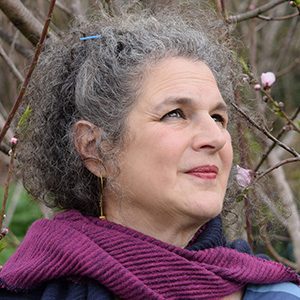
Orit Perlman
Commissioned by Kolot Halev
PLUS
It is Up to Us (2025)
Lyrics and Music by
Hazzan George Henschel
Dedicated to Kolot Halev

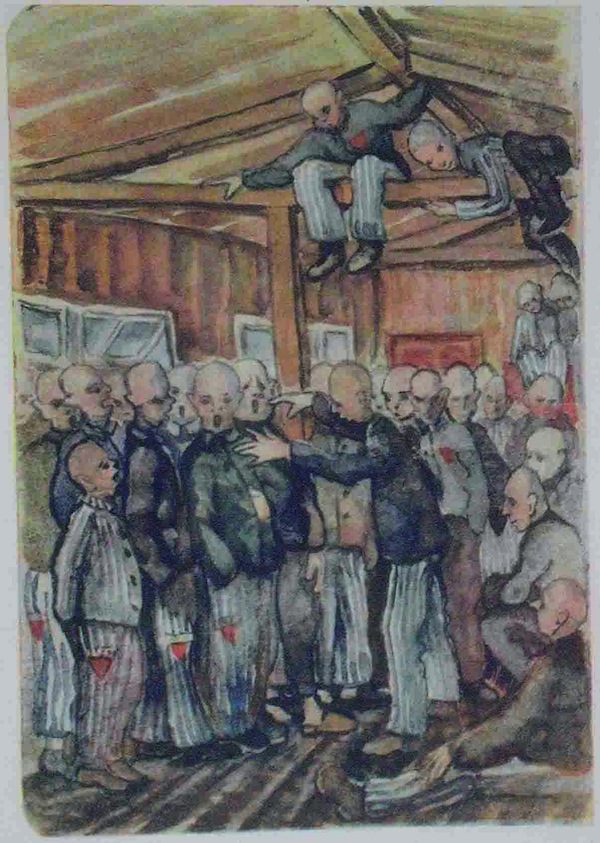
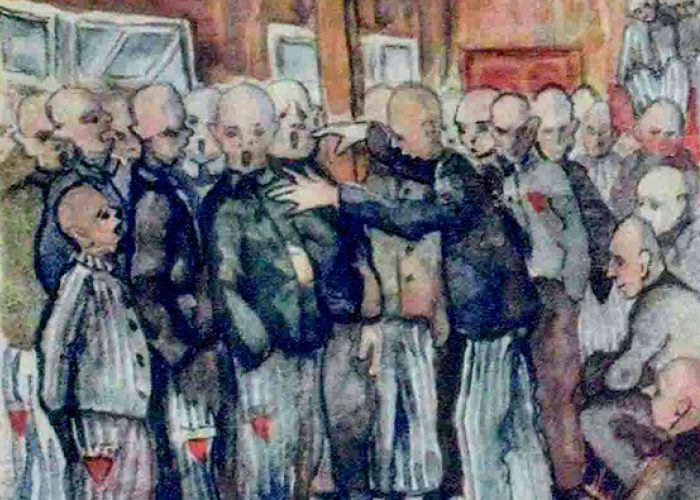
In 1942 in Dachau, an evening of song given by the Czechoslovakian camp choir was recorded in this drawing by Vladimir Matejka. The huge crowd enjoying this rare musical treat shows clearly how important it was for prisoners to be able to organize a musical performance like this (published in Kopf hoch, Kamerad! Künstlerische Dokumente aus faschistischen Konzentrationslagern, ed. Deutsche Akademie der Künste zu Berlin, 2d ed. (Berlin, 1966), ill. 21).
In most camps, professional musicians or talented amateurs established musical groups. Some of these lasted only for a short time; others lasted longer; some rehearsed regularly, others only as opportunity arose; some performed spontaneously, while others performed concerts where the artistic standard was very high. Music composed in the camp itself was also performed. Among the factors often preventing rehearsals and performances were the poor physical condition of the prisoners, language barriers among prisoners, the danger of being discovered, personnel changes due to deportations, and the lack of instruments and sheet music; it was often necessary to organize these secretly, or to play from memory. These difficulties made it all the more important for professional and amateur musicians to set an example of solidarity and humane behavior in their dehumanized surroundings. This meant, of course, that there was less emphasis on aesthetic criteria: through fostering a sense of community, music served instead as a form of cultural resistance, as practical assistance in the struggle to survive.
This is from a good article
Music in Concentration Camps
1933–1945
by Guido Fackler
on the University of Michigan website.